

When customers come into the showroom, one of the first things they ask is whether wool is worth the extra money. The honest answer: it depends on the room, who uses it, and how long you want the carpet to last. Modern synthetic carpets are softer and tougher than they used to be, and wool still has some advantages nothing else quite matches.
The main carpet fibres
Most carpets in the UK are made from one of these, or a blend of them:
- Wool: a natural fibre, soft, warm and very resilient.
- Wool-rich (usually 80/20): 80% wool with 20% synthetic for extra strength. One of the most popular choices for UK homes.
- Wool blends (such as 50/50): an even mix of wool and synthetic, more affordable than wool-rich.
- Polypropylene: the most common synthetic. Affordable and very stain-resistant.
- Nylon: the toughest synthetic, springy and hard-wearing.
- Polyester: very soft with rich colours, best for bedrooms.
Wool: the pros and cons
Why people love it: wool fibres have a natural crimp that makes them spring back after being walked on, so a wool carpet flattens and shows wear more slowly. It’s warm, soft and quiet underfoot, it hides everyday soiling well, and it’s naturally flame-resistant. It’s also a natural, renewable fibre.
What to bear in mind: wool costs more. Strong stains, like red wine, need dealing with quickly, and bleach will damage it. New wool carpets shed a few loose fibres for the first few weeks, which is normal. In areas that are rarely walked on or vacuumed, such as under beds, wool can attract carpet moths, so regular vacuuming matters.
If you want wool, a wool-rich 80/20 carpet is a popular middle ground: it keeps wool’s look and bounce and adds a little extra strength. Cormar Hampstead is a good example.
Synthetic carpets: the pros and cons
Polypropylene
Polypropylene’s colour is added when the fibre is made, so it goes all the way through. That makes it very colourfast, and many polypropylene carpets can be cleaned with a diluted bleach solution (always check the label first). It’s affordable, resists moisture and comes in soft, modern finishes. Its weak point is that it can flatten faster in very busy areas, so choose a dense one for hallways and stairs. Cormar Primo, one of Cormar’s most popular ranges, is stain-resistant and bleach-cleanable, and made for family life.
Nylon
Nylon is the most resilient synthetic. It springs back well and stands up to heavy traffic, which makes it a good choice for busy hallways and stairs. Quality varies a lot, so compare the density of the samples.
Polyester
Polyester feels very soft and takes rich, vivid colours. It isn’t as resilient as wool or nylon, so it’s best in bedrooms and other low-traffic rooms.
Wool vs synthetic side by side
| Wool / wool-rich | Synthetic (polypropylene) | |
|---|---|---|
| Feel | Soft, warm, natural. | Soft, especially modern finishes. |
| Keeps its look | Excellent. Springs back after being walked on. | Good. Can flatten faster in busy areas. |
| Stains | Resists everyday soiling. Deal with strong stains quickly. No bleach. | Very stain-resistant. Many are bleach-cleanable. |
| Pets & children | Hard-wearing, but accidents need quick attention. | Easy to clean, very practical. |
| Natural fibre | Yes. Renewable and naturally flame-resistant. | No. Made from oil-based materials. |
| Price | Usually costs more. | Usually the more affordable choice. |
Which fibre for each room?
Living rooms
Wool-rich or a good synthetic twist. If it’s the room you want to look best for longest, a wool-rich carpet is a great investment. If it’s also where the children play and the dog sleeps, a stain-resistant synthetic makes life easier.
Hallways and stairs
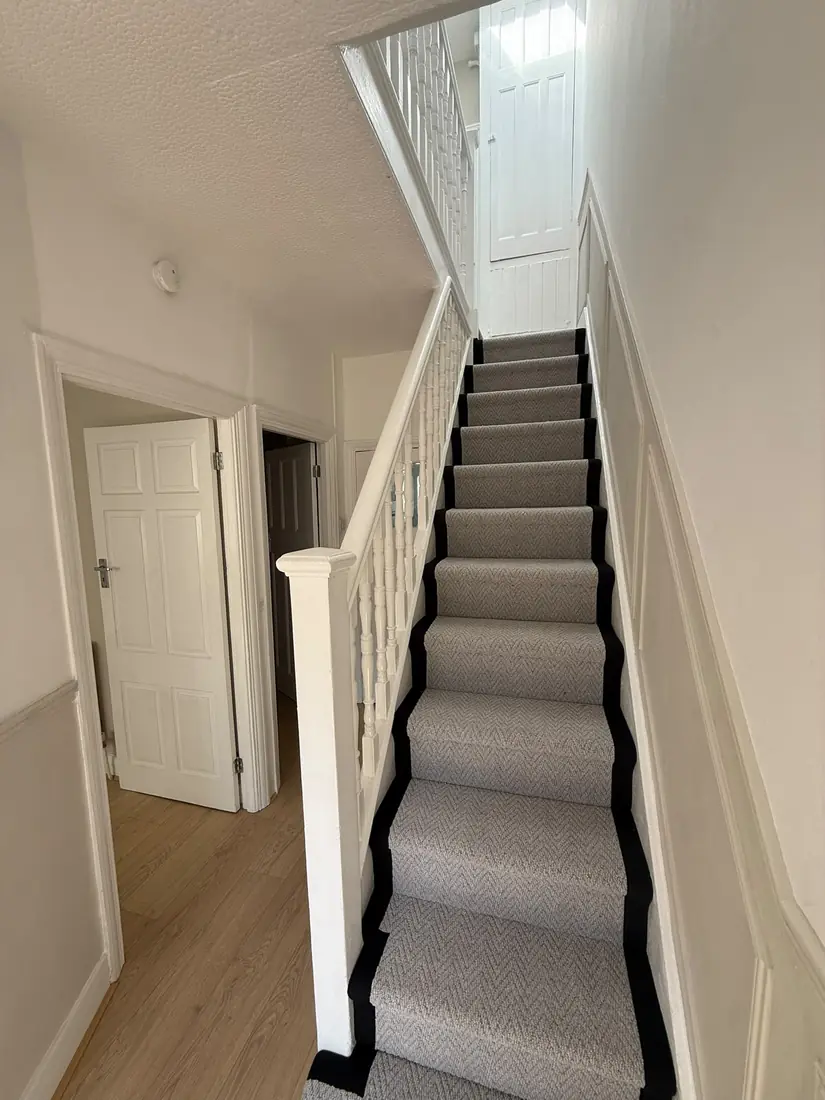
Wool-rich or a dense synthetic twist. These take the most wear, so resilience matters most. Our guide to the best carpet for stairs goes into more detail on pile, colour and fitting.
Bedrooms
Anything soft. Bedrooms see little traffic, so you can choose purely on feel: a deep wool, a soft polyester or a plush polypropylene all work well.
Children’s rooms, homes with pets, and rentals
Polypropylene. Stain resistance and easy cleaning matter more than anything else here, and the lower price makes replacing it later less painful. Landlords often choose a bleach-cleanable carpet in a mid-tone colour.
Kitchens and bathrooms
Not carpet. For rooms with water, have a look at our guide to LVT vs laminate, or our vinyl and LVT flooring.
What about sisal and seagrass?
If you like natural materials but want a different look from wool, sisal and seagrass are made from plant fibres. They have a beautiful woven texture, but they’re firmer underfoot and less forgiving with spills, so they suit living rooms, studies and hallways more than bedrooms or kitchens.
Carpets we fit, by fibre
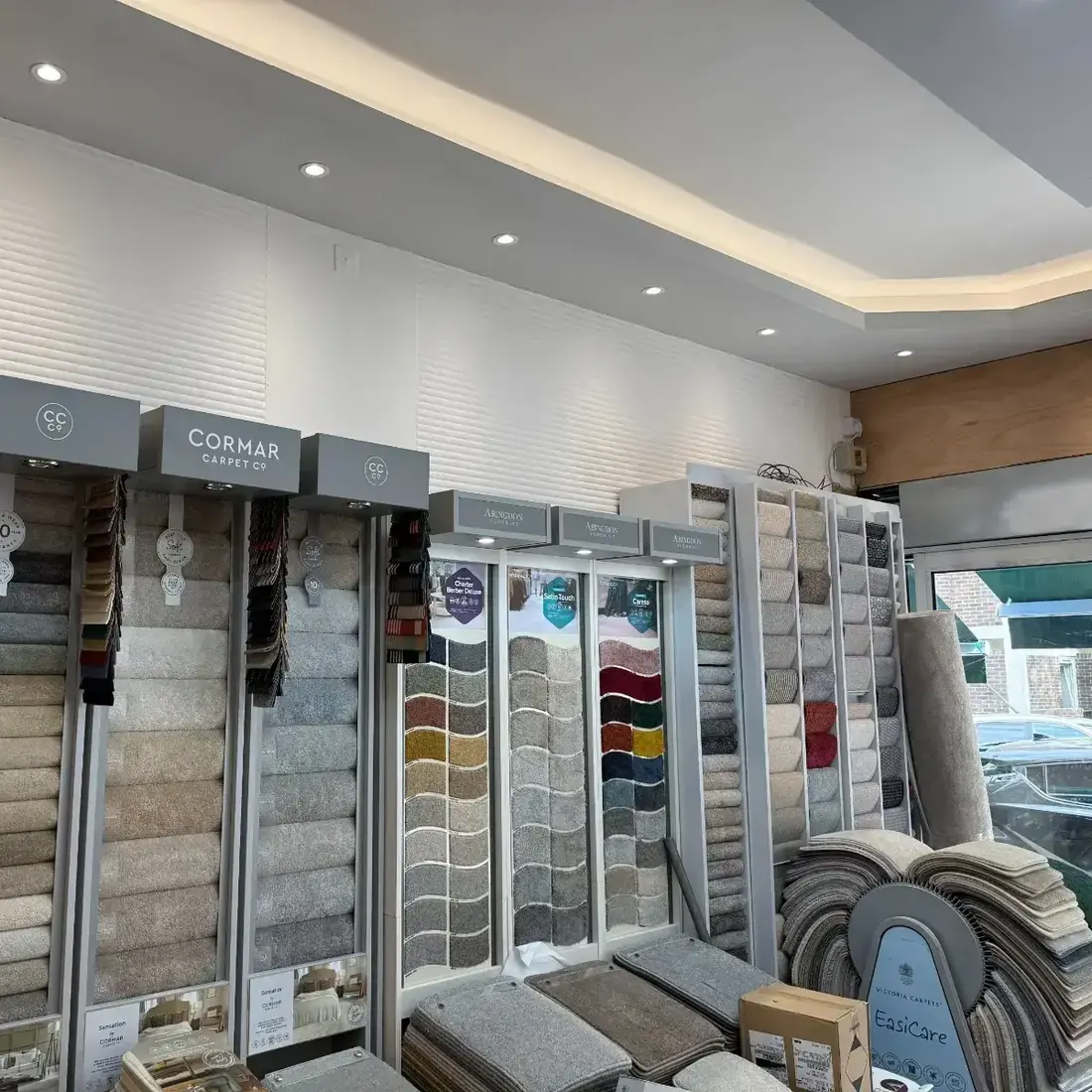
You can feel all of these side by side in our W2 showroom, or we’ll bring samples to your home:
- Wool-rich: Cormar Hampstead, an 80/20 wool-rich twist.
- Wool blend: Cormar 50/50, half wool and half man-made fibre, with a twist pile.
- Stain-resistant polypropylene: Cormar Primo, easy-care and bleach-cleanable.
- Natural plant fibres: sisal and seagrass.
See every range on our collections page.
Our verdict
If you want a carpet that still looks good in ten years, and it’s going somewhere that won’t see daily spills, go for wool-rich. If you have children, pets or tenants, or you want the best value, a good stain-resistant synthetic is the smarter choice. If you’re torn, a wool blend gives you a bit of both. The easiest way to decide is to feel them: book a free home measure and we’ll bring samples of each, or call us on 02034902346, 7 days a week.
Questions we get asked
Is wool carpet worth the extra cost?
If you want a carpet that keeps its look for many years, especially in a living room, hallway or on the stairs, a wool-rich carpet is usually worth it. Wool fibres spring back after being walked on, so they flatten and show wear more slowly. In rooms that see a lot of spills, or in rentals, a good synthetic is often the better value.
Which is more stain resistant, wool or synthetic?
Synthetics, especially polypropylene. Its colour is added when the fibre is made, so many polypropylene carpets can be cleaned with a diluted bleach solution (always check the label). Wool resists everyday soiling well, but strong stains need dealing with quickly, and bleach will damage it.
Is polypropylene carpet good quality?
Good-quality polypropylene carpet is soft, very stain-resistant and great value, which is why it’s so popular for family homes and rentals. Its weak point is that it can flatten in very busy areas, so choose a dense one for hallways and stairs.
What is the best carpet for pets?
A dense cut-pile carpet in a stain-resistant synthetic is usually the most practical choice with pets, because accidents can be cleaned easily. Avoid loop piles, which claws can snag. A mid-tone or flecked colour will also hide hair and everyday marks.
Do wool carpets shed?
Yes, a little at first. New wool carpets release loose fibres for the first few weeks, which is normal and stops with regular vacuuming. It doesn’t mean the carpet is wearing out.
Can I see wool and synthetic carpets before I choose?
Yes. You can feel all of our ranges side by side in our showroom on Bourne Terrace, W2, open 7 days a week from 9am to 5pm. Or book a free home measure and we’ll bring samples to you, so you can see them in your own light.